If you haul dirt, debris, scrap or demolition waste, you have probably narrowed your next trailer down to two choices: a dump trailer or a roll-off trailer. Both move heavy, messy loads and both use hydraulics to unload. The big difference is how the load leaves the trailer, and that difference changes how you run your jobs and how you get paid.
How a dump trailer works
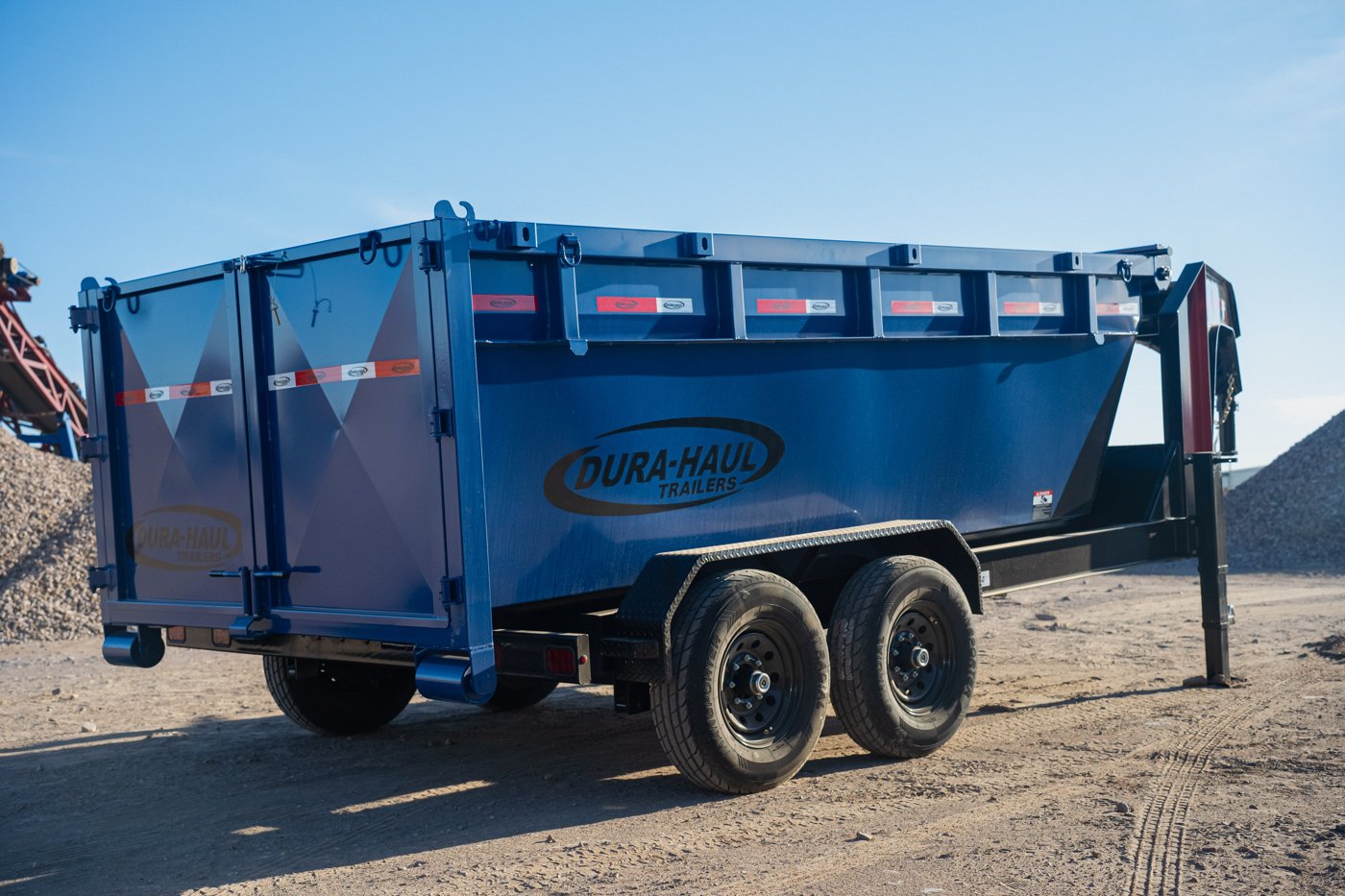
A dump trailer has a fixed bed that tilts up on a hydraulic lift. You load it, drive to the drop point, raise the bed and the material slides out the back through the tailgate. Most dump trailers offer a combination gate, meaning barn doors that swing open plus a spreader setting that lets you meter out gravel or base as you pull forward.
- Built for loose, bulk material: gravel, sand, topsoil, mulch, rock and base.
- The trailer stays with you. Load, haul, dump, repeat.
- Great when you are both the hauler and the one doing the work on site.
How a roll-off trailer works
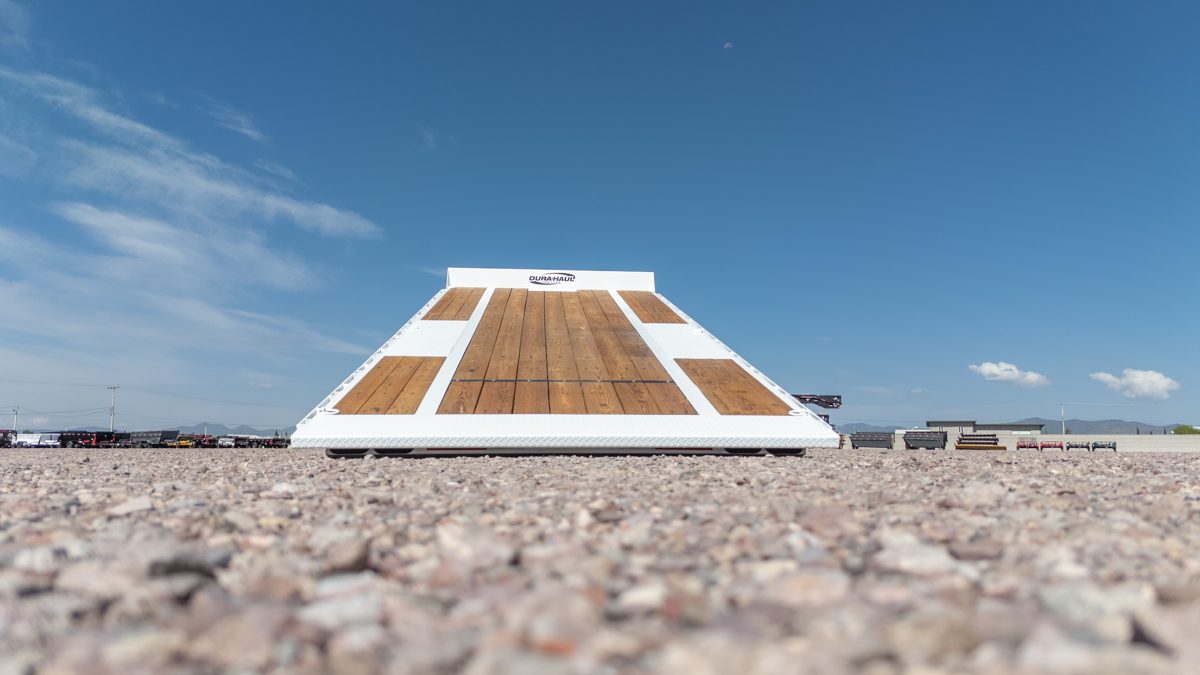
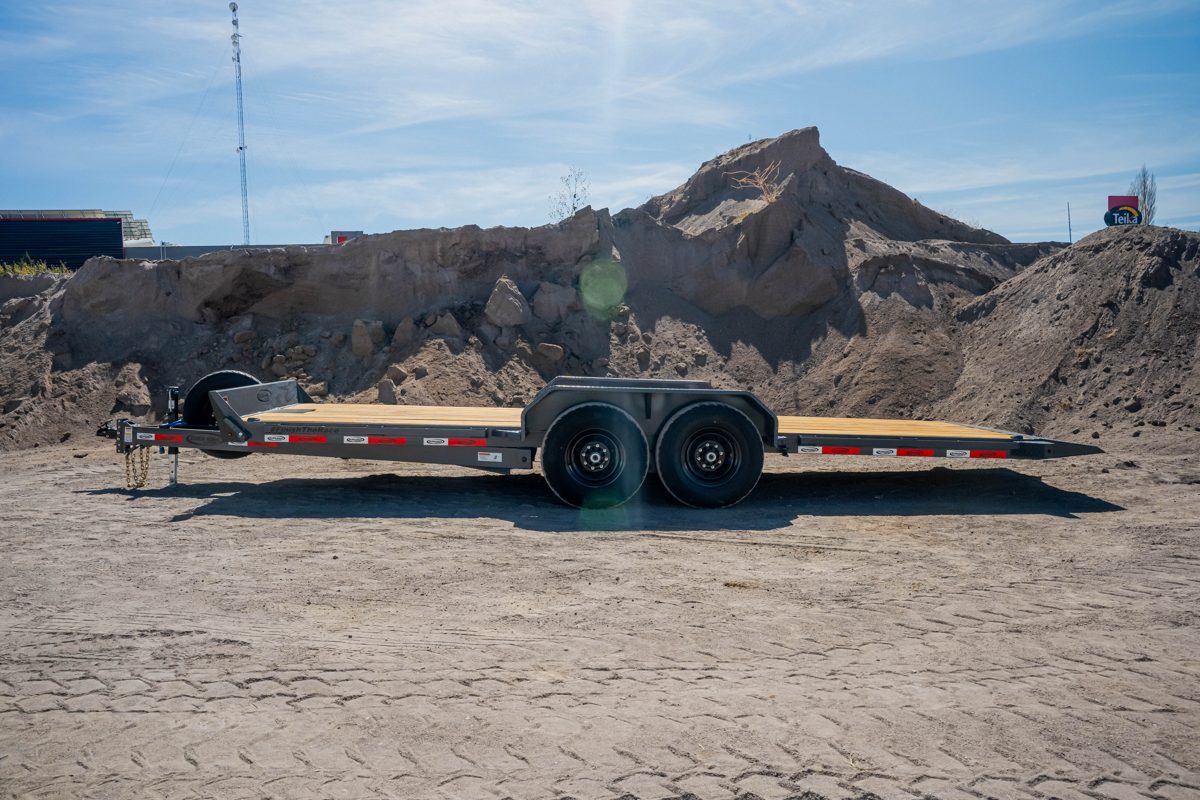
A roll-off trailer carries a separate container box. A hydraulic system pulls the box up onto the trailer and rolls it back off at the job site, where it can sit for days while it gets filled. Later you come back, load the full box and haul it to the landfill or recycler.
- Built for jobs that fill up over time: roofing tear-offs, remodels, cleanouts, demolition.
- One trailer can work with several boxes. Drop a box, leave it, go drop the next one.
- This is the model behind most small dumpster rental businesses.
Which one makes you more money?
Ask yourself one question: does the customer need the container to stay on site?
- If you load and unload in the same trip (landscaping, hauling material for your own crews, moving dirt around a property), a dump trailer is simpler and faster.
- If your customer fills the load over a few days (roofers, contractors, homeowners doing a cleanout), a roll-off lets one truck and one trailer service many jobs at once. You are selling rental days, not just trips.
What to compare before you buy
- GVWR and payload. The GVWR is the most the trailer and its cargo can weigh together. Subtract the trailer's own weight to find your real payload. Wet dirt and shingles are much heavier than they look.
- Box or bed size. Measured in cubic yards for roll-off boxes, or in length, width and side height for dump beds. Match it to the material: dense material fills weight capacity long before it fills volume.
- Axles. Heavier jobs call for heavier axles. A tandem 7K setup (two 7,000 lb axles) is common on commercial dump and roll-off trailers.
- Hitch type. Gooseneck trailers put more weight over the truck's rear axle and are steadier with heavy loads. Bumper pull trailers are easier to hook up with any truck that has a receiver.
- Your tow vehicle. Check your truck's towing and payload ratings, and remember the gross combined rating for truck plus trailer. For commercial hauling, heavier combinations can also bring CDL requirements, so check the rules for your state and use before you buy.
The quick answer
| Dump trailer | Roll-off trailer | |
|---|---|---|
| Best for | Bulk loose material, same-day hauls | Debris that fills up over days |
| Container stays on site? | No | Yes, drop it and come back |
| Scales with more jobs by | More trips | More boxes |
| Typical buyer | Landscapers, contractors, farms | Dumpster rental, roofing, demolition |
Still not sure? Tell our team what you haul and how you get paid for it, and we will walk you through the options side by side. We keep roll-off trailers, roll-off boxes and dump trailers in stock, deliver nationwide and offer financing.